บริษัทผู้ผลิตตู้สวิตช์เกียร์แรงดันสูงและแรงดันต่ำ ประสบการณ์ด้านการออกแบบและวิจัยและพัฒนามากกว่า 17 ปี.


-
ฝากข้อความ : qiuwenjie@gaoboele.com
-
โทรศัพท์ : +86 -17329948916

ฝากข้อความ : qiuwenjie@gaoboele.com
โทรศัพท์ : +86 -17329948916

ปัญญาประดิษฐ์ (AI) กำลังเปลี่ยนแปลงไม่เพียงแต่อุตสาหกรรมเทคโนโลยีเท่านั้น แต่ยังรวมถึงวิธีการวางแผนโครงสร้างพื้นฐานทางไฟฟ้าขนาดใหญ่ด้วย เนื่องจากศูนย์ข้อมูลขนาดใหญ่และวิทยาเขตประมวลผล AI ขยายตัว ความต้องการพลังงานในแต่ละสถานที่จึงเพิ่มสูงขึ้นถึงระดับที่เคยพบได้เฉพาะในอุตสาหกรรมหนัก โรงงานผลิตขนาดใหญ่ และระบบไฟฟ้าขนาดใหญ่เท่านั้น
แนวโน้มนี้กำลังสร้างความต้องการใหม่สำหรับ สถานีไฟฟ้าย่อยแรงดันสูงอุปกรณ์สวิตช์เกียร์แรงดันปานกลาง ระบบจำหน่ายไฟฟ้าแรงดันต่ำหม้อแปลงไฟฟ้า ระบบป้องกัน และอุปกรณ์จัดการพลังงานอัจฉริยะ.
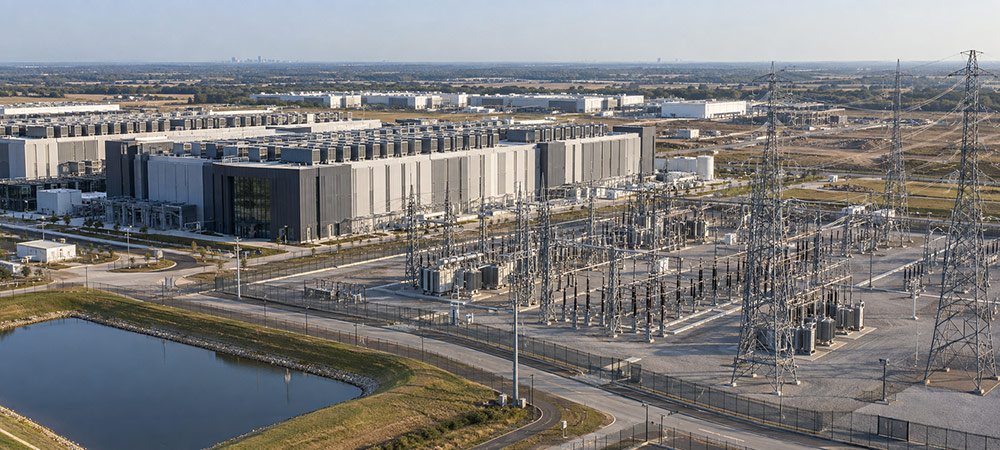
สำหรับ ผู้ผลิตอุปกรณ์สวิตช์เกียร์ GAOBOการเติบโตอย่างรวดเร็วของโครงสร้างพื้นฐาน AI ถือเป็นโอกาสใหม่ในการสนับสนุนผู้พัฒนาศูนย์ข้อมูล ผู้รับเหมา EPC บริษัทสาธารณูปโภค และผู้รวมระบบไฟฟ้า ด้วยโซลูชันสวิตช์เกียร์และระบบจ่ายพลังงานที่ปรับแต่งได้ตามความต้องการ
สำนักงานพลังงานระหว่างประเทศคาดการณ์ว่า การใช้ไฟฟ้าของศูนย์ข้อมูลทั่วโลกจะเพิ่มขึ้นเป็นสองเท่าโดยประมาณ จาก 485 เทราวัตต์ชั่วโมง (TWh) ในปี 2025 เป็นประมาณ 950 เทราวัตต์ชั่วโมง (TWh) ในปี 2030 ส่วนศูนย์ข้อมูลที่เน้นด้านปัญญาประดิษฐ์ (AI) คาดว่าจะเติบโตเร็วกว่านั้น โดยการใช้ไฟฟ้าอาจเพิ่มขึ้นเป็นสามเท่าในช่วงเวลาเดียวกัน
การเพิ่มขึ้นดังกล่าวมีสาเหตุมาจากเซิร์ฟเวอร์ AI ขั้นสูง ความหนาแน่นในการประมวลผลที่สูงขึ้น ระบบระบายความร้อน อุปกรณ์จัดเก็บข้อมูล โครงสร้างพื้นฐานเครือข่าย และระบบไฟฟ้าที่รองรับ
ความหนาแน่นของพลังงานสำหรับเซิร์ฟเวอร์ AI ก็เพิ่มขึ้นอย่างรวดเร็วเช่นกัน จากข้อมูลของ IEA ความหนาแน่นของพลังงานเพิ่มขึ้นอย่างมีนัยสำคัญระหว่างปี 2020 ถึง 2025 และคาดว่าจะเพิ่มขึ้นอย่างต่อเนื่องจนถึงปี 2027
สำหรับวิศวกรไฟฟ้า นั่นหมายความว่าระบบจ่ายพลังงานต้องรองรับโหลดที่มากขึ้นในพื้นที่ที่น้อยลง ในขณะเดียวกันก็ต้องรักษาความน่าเชื่อถือในระดับสูงมากด้วย
ศูนย์ข้อมูลแบบดั้งเดิมอาจรับพลังงานผ่านการเชื่อมต่อไฟฟ้าแรงดันปานกลางหรือแรงดันสูง อย่างไรก็ตาม ศูนย์ข้อมูล AI ขนาดใหญ่ที่สุดอาจต้องการกำลังการผลิตหลายร้อยเมกะวัตต์หรือแม้แต่ระดับกิกะวัตต์
ที่ระดับกำลังไฟฟ้าดังกล่าว ผู้พัฒนาอาจจำเป็นต้องมีสถานีไฟฟ้าย่อยแรงดันสูงโดยเฉพาะ และการเชื่อมต่อโดยตรงกับเครือข่ายส่งไฟฟ้าในระดับภูมิภาค
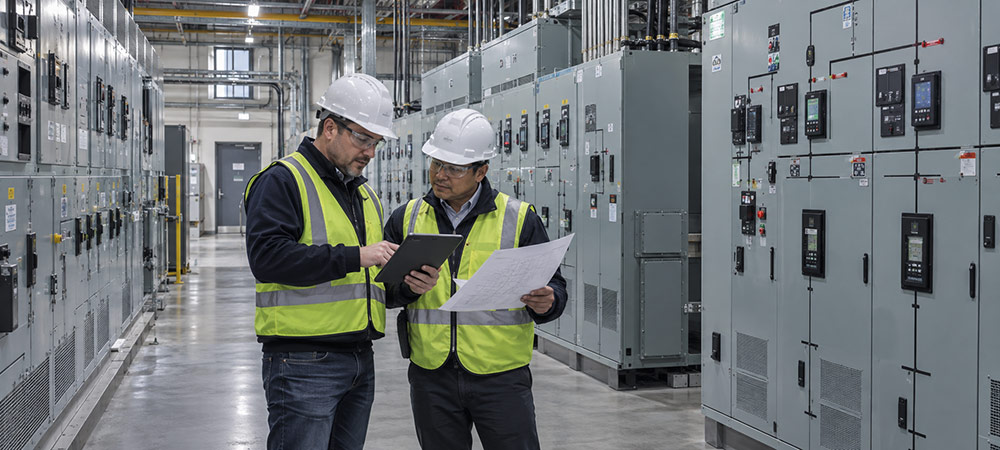
ขึ้นอยู่กับประเทศและโครงสร้างระบบส่งไฟฟ้า วิทยาเขตขนาดใหญ่อาจพิจารณาแรงดันไฟฟ้าในการส่งไฟฟ้าดังต่อไปนี้:
ระดับแรงดันไฟฟ้าที่แน่นอนขึ้นอยู่กับมาตรฐานของผู้ให้บริการไฟฟ้า ตำแหน่งที่ตั้ง ขนาดของโหลด ความพร้อมใช้งานของระบบส่งไฟฟ้า กลยุทธ์การสำรองข้อมูล และการขยายระบบในอนาคต
แนวโน้มสำคัญนั้นชัดเจน: ศูนย์ AI ขนาดใหญ่กำลังหันมาใช้โครงสร้างพื้นฐานทางไฟฟ้าในระดับส่งกำลังมากขึ้น แทนที่จะพึ่งพาเครือข่ายการกระจายไฟฟ้าแบบดั้งเดิมเพียงอย่างเดียว
ศูนย์ AI ที่ทันสมัยอาจต้องการสถานีไฟฟ้าย่อยหลายแห่ง หม้อแปลงไฟฟ้า ชุดสวิตช์เกียร์ ระบบไฟฟ้าสำรอง และแพลตฟอร์มการตรวจสอบอัจฉริยะ
โครงสร้างพื้นฐานทางไฟฟ้าโดยทั่วไปอาจประกอบด้วย:
ความน่าเชื่อถือของสถานีจ่ายไฟมีความสำคัญอย่างยิ่ง เนื่องจากศูนย์ข้อมูล AI ต้องการพลังงานอย่างต่อเนื่อง
ความผิดพลาดทางไฟฟ้าครั้งใหญ่สามารถส่งผลกระทบต่อเซิร์ฟเวอร์หลายพันเครื่องและกำลังการประมวลผลจำนวนมหาศาล
ด้วยเหตุนี้ ระบบสำรอง การป้องกันแบบเลือกได้ การแยกความผิดพลาด และการตรวจสอบเชิงป้องกัน จึงกลายเป็นข้อกำหนดหลักในการออกแบบ
การพัฒนาโครงสร้างพื้นฐานด้าน AI อย่างรวดเร็วส่งผลให้เกิดแรงกดดันต่อเครือข่ายการส่งสัญญาณด้วยเช่นกัน
IEA ระบุว่าศูนย์ข้อมูลมักจะสามารถพัฒนาเสร็จภายในสองถึงสามปี ในขณะที่โครงสร้างพื้นฐานด้านโครงข่ายไฟฟ้าและอุปกรณ์พลังงานขนาดใหญ่อาจต้องใช้ระยะเวลาในการวางแผนและก่อสร้างที่ยาวนานกว่ามาก
การจัดหาหม้อแปลงไฟฟ้า การอนุมัติการเชื่อมต่อกับโครงข่ายไฟฟ้า กำลังการส่ง และความพร้อมใช้งานของการผลิตไฟฟ้า กำลังกลายเป็นข้อจำกัดที่สำคัญ
ในปี 2026 ปัญหาคอขวดเหล่านี้ยังคงมีนัยสำคัญ องค์การพลังงานระหว่างประเทศ (IEA) รายงานว่าการขยายตัวอย่างรวดเร็วของศูนย์ข้อมูลกำลังสร้างแรงกดดันเพิ่มขึ้นต่อหม้อแปลงไฟฟ้าและอุปกรณ์สำคัญอื่นๆ ในระบบไฟฟ้า
ด้วยเหตุนี้ ผู้พัฒนาจึงเริ่มประเมินโครงสร้างพื้นฐานด้านไฟฟ้าตั้งแต่เนิ่นๆ ในกระบวนการคัดเลือกสถานที่ตั้ง
การเข้าถึงศักยภาพในการส่งสัญญาณอาจมีความสำคัญไม่น้อยไปกว่าการเข้าถึงที่ดิน เครือข่ายใยแก้วนำแสง และแหล่งน้ำ
ระบบ AI ในวิทยาเขตไม่สามารถพึ่งพาอุปกรณ์สวิตช์และอุปกรณ์ป้องกันแบบดั้งเดิมเพียงอย่างเดียวได้
อุปกรณ์สวิตช์เกียร์สมัยใหม่มีการบูรณาการสิ่งต่างๆ มากขึ้นเรื่อยๆ ดังนี้:
ฟังก์ชันเหล่านี้ช่วยให้ผู้ปฏิบัติงานสามารถระบุสภาวะผิดปกติได้ก่อนที่จะลุกลามกลายเป็นความเสียหายร้ายแรง
สำหรับวิทยาเขตขนาดใหญ่ การตรวจสอบจากส่วนกลางยังช่วยให้วิศวกรสามารถจัดการพลังงานในสถานีไฟฟ้าย่อยและห้องจ่ายไฟหลายแห่งได้อย่างมีประสิทธิภาพ
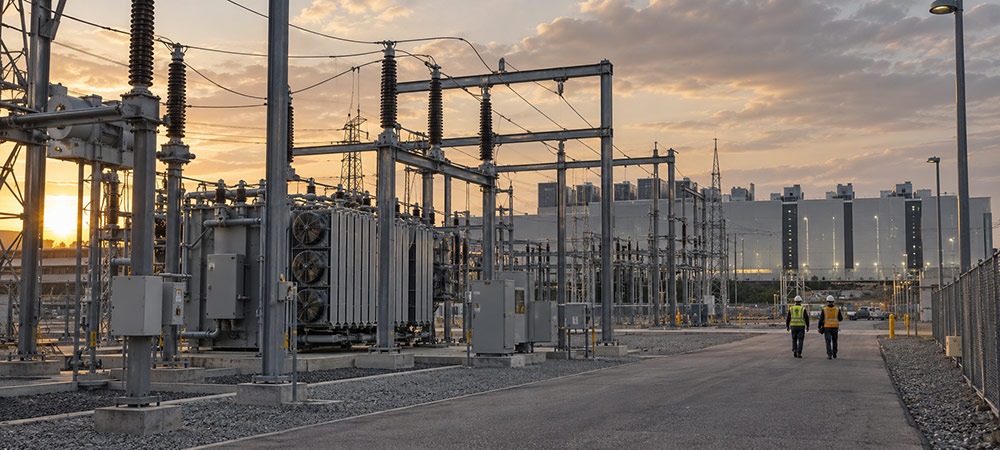
แม้ว่าการเชื่อมต่อกับโครงข่ายไฟฟ้าหลักจะมีแรงดันไฟฟ้าสูงถึง 220 กิโลโวลต์หรือมากกว่านั้น ก็ยังจำเป็นต้องลดแรงดันไฟฟ้าลงและกระจายไปยังทั่วทั้งวิทยาเขต
ระบบไฟฟ้าแรงดันปานกลาง เช่น 10kV, 12kV, 24kV หรือ 35kV อาจใช้ในการจ่ายกระแสไฟฟ้าระหว่างสถานีไฟฟ้าย่อย ห้องเก็บข้อมูล โรงงานทำความเย็น ระบบแบตเตอรี่ และสิ่งอำนวยความสะดวกเสริมต่างๆ
สิ่งนี้ก่อให้เกิดความต้องการผลิตภัณฑ์ต่างๆ เช่น:
ระบบจำหน่ายไฟฟ้าแรงดันปานกลางทำหน้าที่เป็นสะพานเชื่อมระหว่างพลังงานระดับส่งและโหลดแรงดันต่ำขั้นสุดท้าย
ผู้ผลิตอุปกรณ์สวิตช์เกียร์ GAOBO ให้บริการอุปกรณ์จ่ายไฟฟ้าแรงสูง แรงดันปานกลาง และแรงดันต่ำแบบกำหนดเอง สำหรับโครงการอุตสาหกรรมและโครงสร้างพื้นฐาน
สำหรับแอปพลิเคชันในศูนย์ข้อมูล GAOBO สามารถรองรับสิ่งต่อไปนี้:
ขนาดตู้ควบคุม, พิกัดบัสบาร์, ยี่ห้อเบรกเกอร์, รีเลย์ป้องกัน, ฟังก์ชันการตรวจสอบ, ระบบสื่อสาร และผังวงจรไฟฟ้า สามารถปรับแต่งได้ตามความต้องการของโครงการ
สำหรับผู้รับเหมา EPC และเจ้าของโครงการระหว่างประเทศ การสื่อสารด้านวิศวกรรมโดยตรงจากโรงงานสามารถช่วยปรับปรุงการประสานงานระหว่างการออกแบบ การผลิต การทดสอบ และการส่งมอบได้
ปัญญาประดิษฐ์กำลังเปลี่ยนแปลงความต้องการด้านโครงสร้างพื้นฐานทางไฟฟ้าของศูนย์ข้อมูล
คาดการณ์ว่าความต้องการใช้ไฟฟ้าทั่วโลกจะยังคงเติบโตอย่างแข็งแกร่งไปจนถึงปี 2030 โดยศูนย์ข้อมูลจะกลายเป็นหนึ่งในแหล่งความต้องการใช้ไฟฟ้าใหม่ที่สำคัญที่สุดในประเทศเศรษฐกิจที่พัฒนาแล้ว
เมื่อพื้นที่สำหรับโครงการ AI มีขนาดใหญ่ขึ้น โครงการต่างๆ ก็มีแนวโน้มที่จะต้องการสถานีจ่ายไฟแรงสูงโดยเฉพาะ การเชื่อมต่อส่งกำลังที่แข็งแกร่งขึ้น และระบบจำหน่ายไฟฟ้าที่ซับซ้อนยิ่งขึ้น
ศูนย์ข้อมูลในอนาคตจะไม่ถูกกำหนดด้วยประสิทธิภาพการประมวลผลเพียงอย่างเดียว แต่ยังขึ้นอยู่กับความแข็งแกร่ง ความยืดหยุ่น และความชาญฉลาดของโครงสร้างพื้นฐานทางไฟฟ้าด้วย
สำหรับ ผู้ผลิตอุปกรณ์สวิตช์เกียร์ GAOBOซึ่งจะสร้างโอกาสใหม่ในการจัดหาอุปกรณ์สวิตช์เกียร์ที่เชื่อถือได้ ตู้ไฟฟ้าแบบกำหนดเอง และโซลูชันการกระจายพลังงานอัจฉริยะสำหรับโครงการ AI และศูนย์ข้อมูลยุคใหม่
ศูนย์ AI ขนาดใหญ่สามารถใช้ไฟฟ้าได้หลายร้อยเมกะวัตต์ สถานีไฟฟ้าแรงสูงช่วยให้สิ่งอำนวยความสะดวกเหล่านี้เชื่อมต่อกับเครือข่ายส่งไฟฟ้าของบริษัทสาธารณูปโภคได้อย่างมีประสิทธิภาพมากขึ้น และกระจายพลังงานจำนวนมากผ่านหม้อแปลงไฟฟ้าและระบบแรงดันปานกลางปลายทางได้
ไม่ครับ แรงดันไฟฟ้าที่ต้องการขึ้นอยู่กับความต้องการพลังงานทั้งหมด มาตรฐานของผู้ให้บริการไฟฟ้า ตำแหน่งที่ตั้ง ข้อกำหนดด้านระบบสำรอง และโครงสร้างพื้นฐานของระบบไฟฟ้าที่มีอยู่ สถานที่ขนาดเล็กอาจใช้การเชื่อมต่อแรงดันไฟฟ้าต่ำกว่า ในขณะที่วิทยาเขตขนาดใหญ่มากอาจต้องการการเชื่อมต่อระดับ 220 กิโลโวลต์หรือสูงกว่านั้น
ศูนย์ข้อมูล AI อาจใช้อุปกรณ์สวิตช์เกียร์แรงดันสูง อุปกรณ์สวิตช์เกียร์แรงดันปานกลางแบบหุ้มโลหะ แผงสวิตช์เกียร์แรงดันต่ำ ตู้ ATS ระบบจ่ายไฟ UPS ตู้จ่ายไฟ DC และอุปกรณ์ตรวจสอบอัจฉริยะ
อุปกรณ์ประมวลผล AI ต้องการไฟฟ้าอย่างต่อเนื่อง หม้อแปลงไฟฟ้าสำรอง สายป้อนไฟ สวิตช์เกียร์ ระบบไฟฟ้าสำรอง และระบบส่งกำลังสำรอง ช่วยให้โหลดที่สำคัญยังคงทำงานต่อไปได้เมื่อส่วนใดส่วนหนึ่งของระบบไฟฟ้าใช้งานไม่ได้
ใช่. ผู้ผลิตอุปกรณ์สวิตช์เกียร์ GAOBO สามารถปรับแต่งขนาดตู้ควบคุม กระแสไฟฟ้าพิกัด ความจุของบัสบาร์ ยี่ห้อเบรกเกอร์ รีเลย์ป้องกัน ฟังก์ชันการสื่อสาร ระบบตรวจสอบ และตรรกะการควบคุมได้ตามแบบร่างโครงการและข้อกำหนดทางเทคนิค